Mid Michigan Portfolio
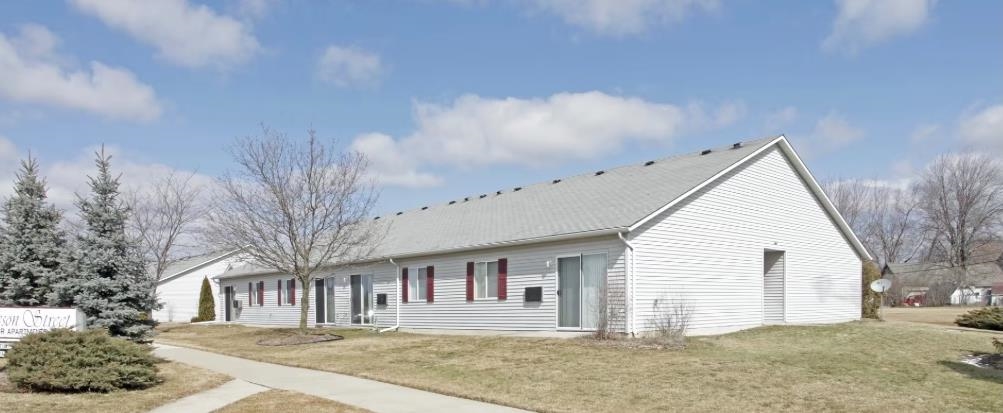
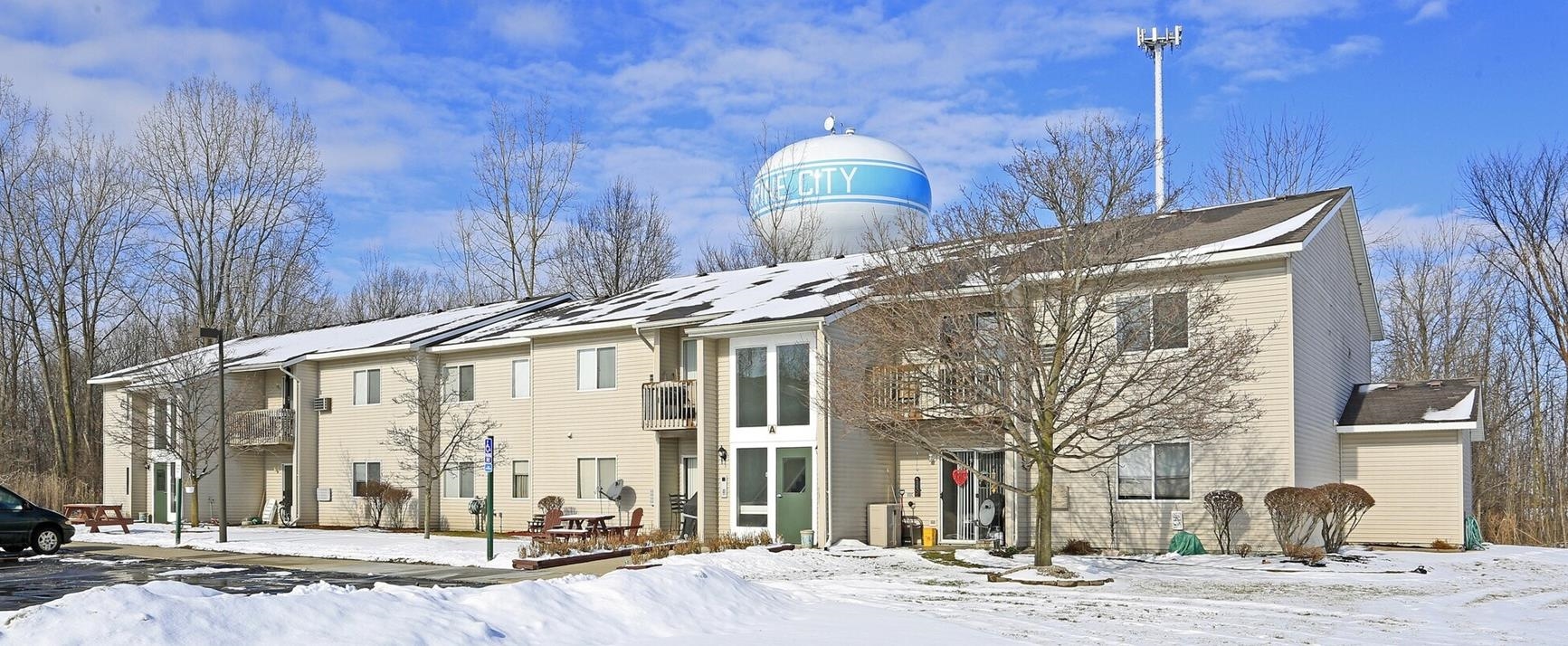
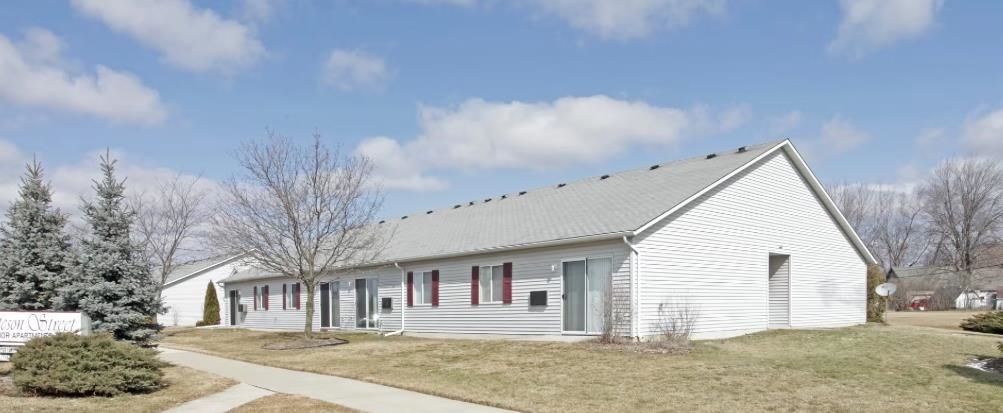
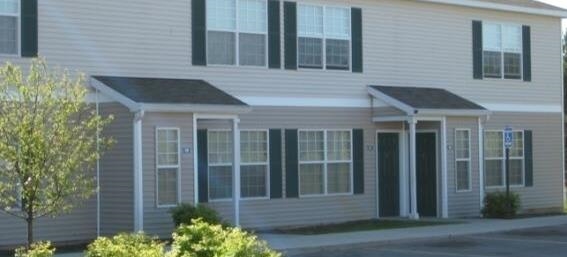
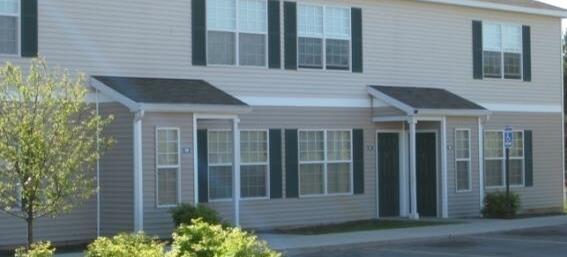
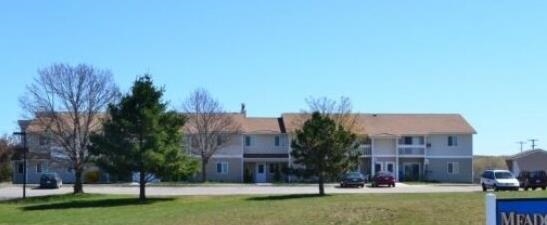
The Mid-Michigan Portfolio consists of 8 properties totaling 202 units located in Central / Northern Michigan. Built in 1993 and 2005, the properties offer a mix of one, two, and three-bedroom units. 6 of the assets are designated as "affordable housing" and are encumbered by a USDA Rural Development (RD) loan. The other 2 assets are expired LIHTC deals that are encumbered by MSHDA financing.
The USDA loans are not able to be repaid and are outstanding until 2040 and 2043. Please refer to the deal room for specific balances and payment amounts. The MSDHA financing is also through 2040 however can be repaid if desired.
Proposition
Based on the 2024 Profit and Loss (P&L) statement, the current Net Operating Income (NOI) is $669,715. At a $10,000,000 purchase price, this represents an 7% capitalization rate. With annual debt service of approximately $504,000, the resulting $164,000 in annual cash flow yields an initial 8.2% cash-on-cash return. This is with keeping the 2024 expenses the same using the same management company, and not increasing rents.
The portfolio is currently under-rented by approximately $534,000 relative to the maximum allowable USDA / MSHDA rents. By escalating rents over time, an investor could potentially increase the cash-on-cash return from the current 8.2% to over 29%. This significant value-add opportunity assumes current management remains in place and operating expenses remain constant.
Under USDA financing guidelines, annual cash distributions are capped on a per-property basis until the loan matures or is retired in 2040. This limit is approximately $2,000 per property. Consequently, all surplus cash flow must remain within the operating accounts, to be released to the owner upon loan satisfaction in 2040. The MSHDA financed deals do not have a distributions limit.
Even assuming a conservative annual cash flow of $400,000 (against a projected NOI exceeding $550,000), the operating account would accumulate approximately $5.6 million by 2040. At that time, this capital would be sufficient to either retire the mortgage entirely—maximizing ongoing cash flow—or facilitate a refinance into a conventional loan product to allow for unrestricted distributions.